


Mahjong
4.875.54K Reviews
App Specs
- Version
- 1.7.2
- Updated On
- License
- Free
- Downloads
- 10,000,000+
- Developer
- CanaryDroid
- Categories
- Puzzle
- Platform
- Android, iOS
Screenshots
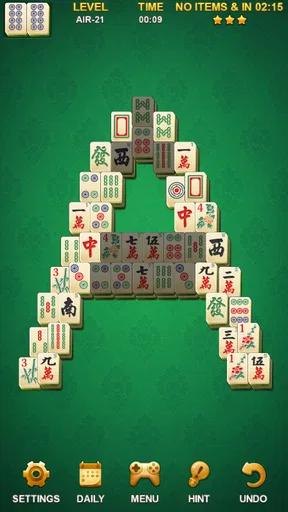
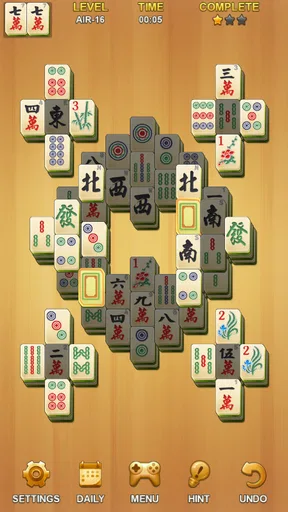
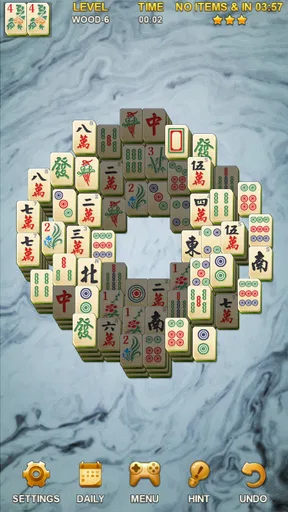
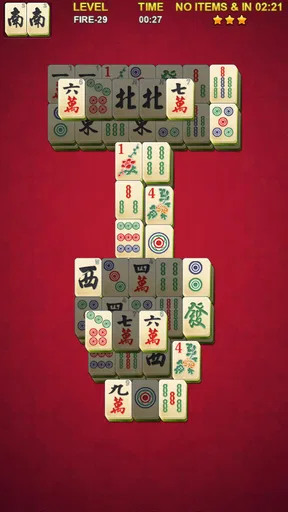
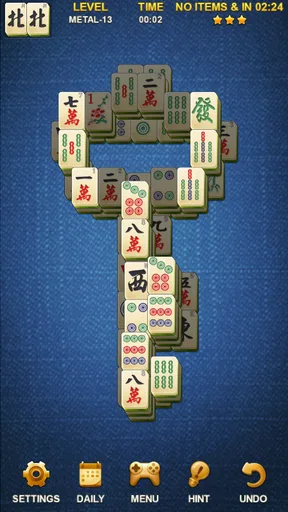
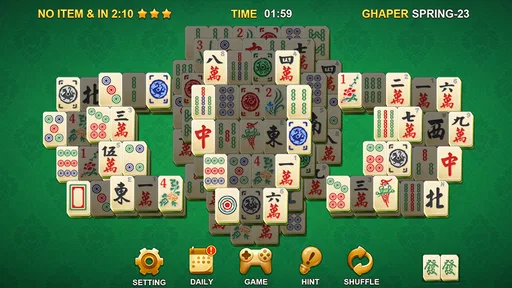
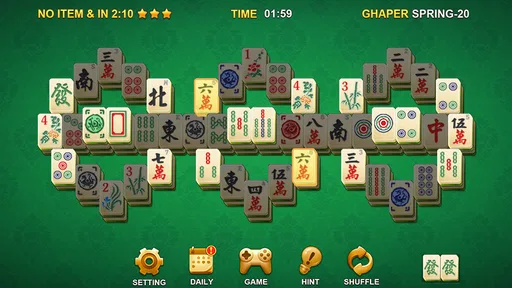
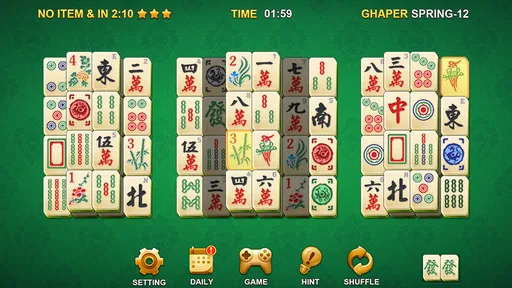
 Analysis by AppCompare
What keeps me returning to Mahjong is not a promise of a big campaign but the small decisions that change what I can see. I can open it when I have a little time, make a few deliberate matches, and stop without losing track of a story or a complicated set of rules. That flexibility is useful, but it also means the game’s appeal depends on whether the tile puzzle itself is enough for you.
A useful way to fit a round into the day
For a realistic short-break routine, I would start a board when I have a few quiet minutes rather than when I am rushing between tasks. I scan the layout, make one or two moves that expose new tiles, then pause if I need to. The puzzle is easy to pick up again because its state is visible: I can assess the remaining pairs and blocked areas without remembering a plot or a long sequence of instructions. That makes it a better waiting-room companion than a game that punishes interruptions with timed stages.
There is a small practical trade-off on a phone: the more carefully I inspect the board, the more I rely on being able to distinguish the tile faces at a glance. If I am tired, distracted, or using a screen that feels cramped, I am more likely to overlook a match or tap hastily. I would use a larger screen when one is available, especially for a longer session, and keep short phone sessions focused on a single board rather than trying to turn a brief pause into an extended puzzle marathon.
How I decide whether another board is right for me
The game suits someone who enjoys quiet visual reasoning and wants a puzzle that does not require language fluency, social coordination, or a long setup. Its broad Everyone content rating also makes the basic premise easy to share with younger players, although the fun still depends on their interest in noticing patterns and thinking ahead. I would skip it if my main reason for gaming were competition, a narrative to follow, or a series of varied challenges; those needs call for a different kind of puzzle or a multiplayer Mahjong title.
One way to test the fit is to pay attention to what you enjoy after a match. If the pleasure comes from seeing a covered part of the layout become usable, the central loop is likely to hold your interest. If you mainly want fresh mechanics from one session to the next, the familiar pair-removal action may begin to feel repetitive. The game can offer different board decisions, but that is not the same as offering a new genre of puzzle each time.
Its position among alternatives is quite specific. A match-three game tends to ask me to create combinations and react to a changing grid; word puzzles ask me to retrieve language or solve clues. This Mahjong Solitaire board instead rewards me for tracking which paired removal will reveal useful tiles. A physical solitaire set gives tile handling more presence, while this mobile version makes setup and selection immediate. I would choose the app for convenience and a solo mental pause, and choose another format when physical play or conversation is the point.
How the board turns one match into another session
I find the board’s best hook is how a small choice can expose a more useful one, giving a quiet round just enough momentum to continue. When I finish a layout, I can carry that lesson into the next rather than simply chase a score; the next section looks at how that familiar loop holds up for returning players.
Worth Reading Before You Choose

Flipboard Shows What News Apps Must Do Beyond the Feed

Switching to Android Auto Means Rethinking Your Driving Routine

Google Calendar Makes a Crowded Week Easier to Manage

Ludo King Makes the Most of the Minutes Between Plans

Baby Panda World Brings Quick Play to Modern Phones, but Its Game Library Feels Busy

ESPN’s Live Game View Makes Following Close Games Easier
The first action is simple, but not careless
My first instinct was to tap the most obvious matching pair. That works as an introduction, but it is not always the best habit. A pair can be technically available while still being strategically inconvenient if removing it leaves useful tiles buried or reduces the number of future choices. I soon began scanning the upper layers and the edges before committing to a match. That small pause gives the game more depth than its relaxed appearance suggests.
The basic action is tactile and clear: select one tile, select its matching partner, and watch both leave the layout. When I chose correctly, the response felt immediate enough to keep the board readable. When I tapped a tile that could not be used, the game did not turn that mistake into a complicated penalty in my experience; I simply refocused on the available arrangement. The important point is that every tap communicates something about the board, so even a failed choice can improve my next decision.
Traditional Mahjong uses a full set of tiles and can feel visually dense. This mobile version keeps the central idea focused on matching pairs rather than asking me to learn a long rulebook or compete against another player. That makes it a better fit for someone who wants a solitary logic puzzle than for someone searching for online Mahjong matches, betting-style play, or a historically accurate tabletop simulation.
Feedback creates a steady rhythm
The most satisfying part of a round is the rhythm between action and response. I find a pair, remove it, notice which tiles have become exposed, and immediately start searching again. The board gradually loses its clutter, and that visual change acts as a quiet reward. There is no need for dramatic effects to make progress feel meaningful; seeing a previously blocked area become usable is enough to pull me toward the next move.
That rhythm also makes the game suitable for different moods. When I have only a few minutes, I can make quick matches and enjoy the visible reduction in the layout. When I want something more thoughtful, I slow down and inspect which removal will create the most useful opening. The same board can therefore support a casual approach and a more deliberate one, although players who demand highly competitive puzzle pressure may find the atmosphere too gentle.
A practical tip I learned is to avoid treating every visible pair as equally valuable. I look first for matches that uncover a tile underneath or free a side of a stack. Removing a pair that changes the board structure is usually more useful than removing a pair that merely makes the open area look cleaner. I also try to remember unusual symbols instead of relying only on quick visual recognition, because a hurried tap can lead me to overlook the pair that matters most.
Why the reward is the changing board
The reward system here is mainly built into the puzzle itself. Each successful match gives me two things: a cleaner layout and new information. I can see where the next bottleneck is, which tiles remain trapped, and whether my earlier choices helped or made the position awkward. That is a more thoughtful reward than simply counting taps, because progress depends on understanding the arrangement.
I especially like the moment when one careful match opens a chain of possibilities. The game does not need to promise a large prize for that moment; the board provides its own confirmation. I feel that I have earned the next move because I noticed a relationship between layers, not because I happened to press a highlighted button. This is where the puzzle separates itself from very casual matching games that depend almost entirely on speed or repeated swiping.
For a daily use case, I can imagine playing during a commute break, while waiting for an appointment, or after finishing a task that requires concentration. The game gives my attention somewhere narrow to settle without demanding a long story or a complicated setup. It is also a reasonable choice for a family tablet because the content rating is Everyone and the rules can be explained in a few seconds.
There is a trade-off, though. If you need a strong sense of progression across many sessions, a traditional role-playing game or a level-based puzzle with explicit goals may feel more motivating. This Mahjong experience gets much of its satisfaction from solving the current layout. Players who are energized by unlockable characters, narrative chapters, or competitive leaderboards should not expect the same kind of long-term structure from a straightforward solitaire board.
The reset is what makes another round appealing
Once a layout is cleared, the natural question is whether I want another one. For me, the answer often comes from the unfinished feeling created by a difficult board rather than from a forced reward. I begin again because I want to test whether I can make better early choices, recognize patterns faster, or avoid the moment when too many useful tiles remain covered.
That reset is important because it keeps the game from feeling like a single puzzle that I complete and abandon. A new arrangement changes the order of decisions, so the familiar rules do not produce exactly the same experience each time. I can carry over a better method—checking blocked areas first, preserving flexible matches, and resisting impulsive taps—without simply repeating the same solution.
My advice is to treat the start of a round as planning time rather than rushing into the first pair. I scan for tiles that appear to be limiting access to several others, then choose a match that improves the board’s flexibility. If I reach a position where only a few options remain, I review the earlier removals mentally instead of blaming the final move immediately. That habit makes the reset useful: each new session becomes a small experiment in decision-making.
Where it fits among other puzzle choices
Compared with match-three games, this one feels less frantic and less dependent on creating cascades. Match-three alternatives usually reward quick pattern recognition and large combinations, while this board rewards patience, spatial awareness, and planning around layers. Compared with crossword or word puzzles, it asks for less language ability and more visual organization. Compared with a physical Mahjong Solitaire set, the mobile format is more convenient because the board is always ready to play and the tiles can be removed with a tap.
That convenience is also its main limitation for some players. A physical set can make the act of arranging and handling tiles feel more substantial, while a mobile board offers a cleaner and faster interaction. Someone who enjoys the social side of tabletop games may prefer a multiplayer title instead. I would choose this game when I want a quiet solo puzzle, not when I want conversation, competition, or a detailed simulation of traditional Mahjong rules.
The game is free, which lowers the barrier to trying it during a spare moment. I also found the current version, 1.7.2, suitable for relatively older Android devices because the minimum requirement is Android 6.0. That matters if you are installing it on a phone that is no longer new. Still, anyone who dislikes playing on a small screen should test the tile readability on their own device before deciding that a mobile Mahjong board is comfortable for long sessions.
Who will enjoy it most, and who should skip it
I would recommend this to people who like calm concentration, visible progress, and rules that can be understood immediately. It works particularly well for players who enjoy finding the best next move without time pressure. It is also a good introduction for someone who has heard of Mahjong Solitaire but has never played it, because the central interaction is direct and the board teaches the logic through feedback.
I would be more cautious about recommending it to anyone seeking a deep campaign, a competitive ranking system, or a wide collection of puzzle types. The appeal is concentrated in the tile-removal loop. If that loop does not satisfy you after a few boards, extra familiarity will not transform it into a different genre. Likewise, players who prefer fast action may find the deliberate pace slow, while players who want a historically authentic Mahjong ruleset may need another app designed around that specific form of play.
One useful way to decide is to notice what kind of mistake bothers you. If you enjoy looking back and asking which earlier match narrowed your options, this game has enough strategic texture to hold your attention. If you only enjoy puzzles when every move produces an obvious combo or spectacular chain reaction, its quieter feedback may feel underpowered. I appreciate that it lets me choose my own pace, but that flexibility cannot replace a more ambitious progression system for every player.
My verdict on the complete loop
The loop is clear: I inspect the board, select a pair, receive immediate visual confirmation, use the newly exposed tiles to plan again, and eventually reset because the next arrangement offers another chance to improve. That sequence is the strongest reason to keep the game installed. It is not trying to overwhelm me with systems; it gives one familiar action enough room to become thoughtful.
After using it, I see why the game has attracted such a broad audience, including around 76 thousand written reviews. The high average rating of 4.8 reflects a type of satisfaction that is easy to understand: the board becomes less complicated because of my choices. I would not call it the most feature-heavy puzzle on Android, and I would not choose it for multiplayer entertainment, but I would gladly open it when I want a focused break that can end after one board or continue into another.
My recommendation is simple: choose Mahjong if you want a free, accessible solitaire puzzle whose reward comes from making the board unfold. Start slowly, prioritize matches that open blocked areas, and let the changing layout guide your next decision. For me, that balance of immediate action, useful feedback, earned progress, and an inviting reset makes it a dependable casual game rather than a disposable time filler.
Pros
- Simple rules make it easy for beginners to start playing.
- Classic tile designs provide a familiar and relaxing experience.
- Short rounds fit well into quick breaks or casual sessions.
- Offline play is useful when traveling without a stable connection.
- Gentle gameplay can help improve concentration and visual matching.
Cons
- Some levels may feel repetitive after extended play.
- Ads can interrupt the experience in the free version.
- Small tiles may be difficult to read on compact phone screens.
- Limited social features may disappoint players seeking competition.
- Difficulty can vary noticeably between different layouts.
FAQs for Mahjong
What is Mahjong, and how is it played on mobile devices?
Mahjong is a tile-matching puzzle game inspired by the traditional Mahjong solitaire format. On mobile devices, you usually clear the board by pairing identical, uncovered tiles. A tile can only be selected when it is not blocked by another tile and has an open side. The objective is to remove every tile before running out of possible moves.
Is Mahjong free to download and play?
Most Mahjong mobile games can be downloaded and played for free, but they may include optional in-app purchases. These purchases can provide hints, extra lives, coins, boosters, themes, or the removal of advertisements. The core puzzles are often accessible without spending money, although some versions may limit certain features or encourage purchases through timed rewards and progression systems.
Does Mahjong require an internet connection?
The basic Mahjong solitaire puzzles can often be played offline after the application has been installed. However, an internet connection may be required for advertisements, cloud synchronization, daily challenges, leaderboards, events, updates, or in-app purchases. Offline availability can differ between versions, so it is worth checking the game’s description and testing the main puzzle mode before traveling or playing without mobile data.
Is Mahjong suitable for beginners and older players?
Mahjong is generally suitable for beginners because the rules are simple to understand, while the increasing board layouts provide additional challenge over time. Clear tile designs, adjustable difficulty, hints, and undo options can make the game comfortable for older players as well. Nevertheless, some versions use small symbols or crowded layouts, so checking readability and accessibility settings is recommended before downloading.
What should I check before downloading a Mahjong app?
Before downloading a Mahjong app, review its ratings, recent user comments, advertising policy, required permissions, and in-app purchase details. Check whether it offers the type of Mahjong you want, since traditional multiplayer Mahjong and Mahjong solitaire are very different experiences. It is also useful to confirm device compatibility, offline support, account requirements, privacy information, and whether progress can be backed up.


